
The Fall of the Old Church’s Certainties
Wolf HallThis thread traces the movement from inherited religious forms toward scriptural reform and the violence that follows when authority is disputed.
increasing Bearing strength in each event
 decreasing
Bearing strength in each eventdecreasingQuestions in the Text

What Scripture Says
Doubt develops
Cromwell asks where scripture explicitly mentions purgatory, relics, monks, or the pope. Tyndale’s translation makes those questions available in English to readers beyond clerical institutions.
A widening divide
The old religious order sees vernacular reading as dangerous. Cromwell’s interest exposes the gap between faith grounded in text and faith mediated by established authority.
The Martyr’s Choice
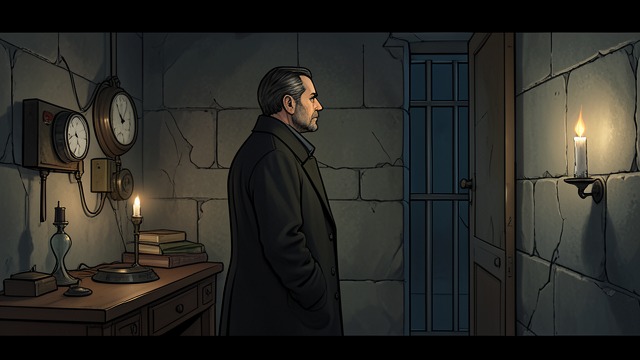
Belief Under Coercion
Reformers imprisoned
Bilney, Bainham, and Frith face questioning, imprisonment, or execution for teachings that challenge established doctrine. Some recant to live; others return to their beliefs even after release.
Witness and consequence
Cromwell often wants to save the reformers, but cannot reconcile their refusal to compromise with the state’s demand for conformity. Their deaths reveal the human cost of religious certainty on both sides.
The Book in the People’s Hands
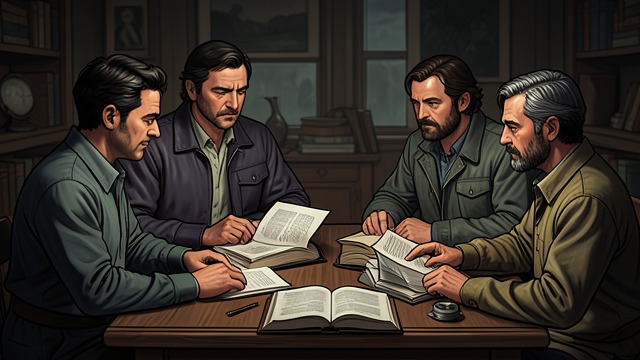
A New Religious Imagination
Reading spreads
English scripture reaches merchants, artisans, and household servants. The story of Christianity expands beyond images, relics, and inherited explanations into a text people can read for themselves.
Reform remains unfinished
The spread of the gospel does not end coercion or disagreement. A new source of authority opens possibilities while generating new conflicts over who may interpret it.
1527
1531–1535
1534–1535
